MARK VOGEL

A BASEBALL GUY
Region: Illinois
Sport: Baseball
Few individuals have had a greater impact on baseball in Waterloo, Illinois, than Mark Vogel. For more than three decades, Vogel has dedicated his life to developing players, building championship programs, and strengthening the baseball tradition of his hometown.
A 1986 graduate of Waterloo High School, Vogel excelled as a second baseman for the Bulldogs before continuing his playing career at Kaskaskia College, where he led the team in hitting as a freshman. He later competed for University of Northern Iowa from 1988 to 1991, further refining the skills and knowledge that would define his future coaching career.
As a player, Vogel spent 16 seasons competing in the legendary Mon-Clair League, one of the premier amateur baseball leagues in the Midwest. Playing primarily for the renowned Waterloo Buds under Hall of Fame manager Vern Moehrs, Vogel compiled an impressive .317 career batting average while earning a reputation as a dependable infielder and fierce competitor.
While his playing accomplishments were significant, it was in the dugout where Vogel built his lasting legacy. Beginning with the Waterloo American Legion program in 1991, he embarked on a coaching career that would span generations. Since 1992, he has served as head baseball coach at Waterloo High School, amassing more than 535 victories while guiding the Bulldogs to numerous conference, regional, and sectional championships. Under his leadership, Waterloo advanced to the Illinois State Tournament twice, and in 2011 Vogel was recognized as Metro East High School Coach of the Year.
At the junior high level, Vogel's influence has been equally remarkable. Since taking over the Waterloo Junior High baseball program in 1991, he has recorded well over 500 victories while leading countless teams to championships and laying the foundation for future success at the high school level.
Vogel's commitment to the game extends beyond scholastic baseball. Since 2015, he has served as an assistant coach for the Waterloo Millers in the Mon-Clair League, continuing to mentor players and contribute to the area's rich baseball tradition. His contributions to amateur baseball were recognized in 2019 when he was inducted into the Mon-Clair League Baseball Hall of Fame.
With more than 1,000 combined victories as a high school and junior high coach, decades of service to Waterloo baseball, and a lasting impact on countless athletes, Mark Vogel's career exemplifies leadership, excellence, and dedication. His influence can be measured not only in wins and championships, but in the generations of players whose lives have been shaped by his passion for the game.
LENNY WILKINS
PLAYER, COACH. LEGEND.
Region: New York
Sport: Basketball
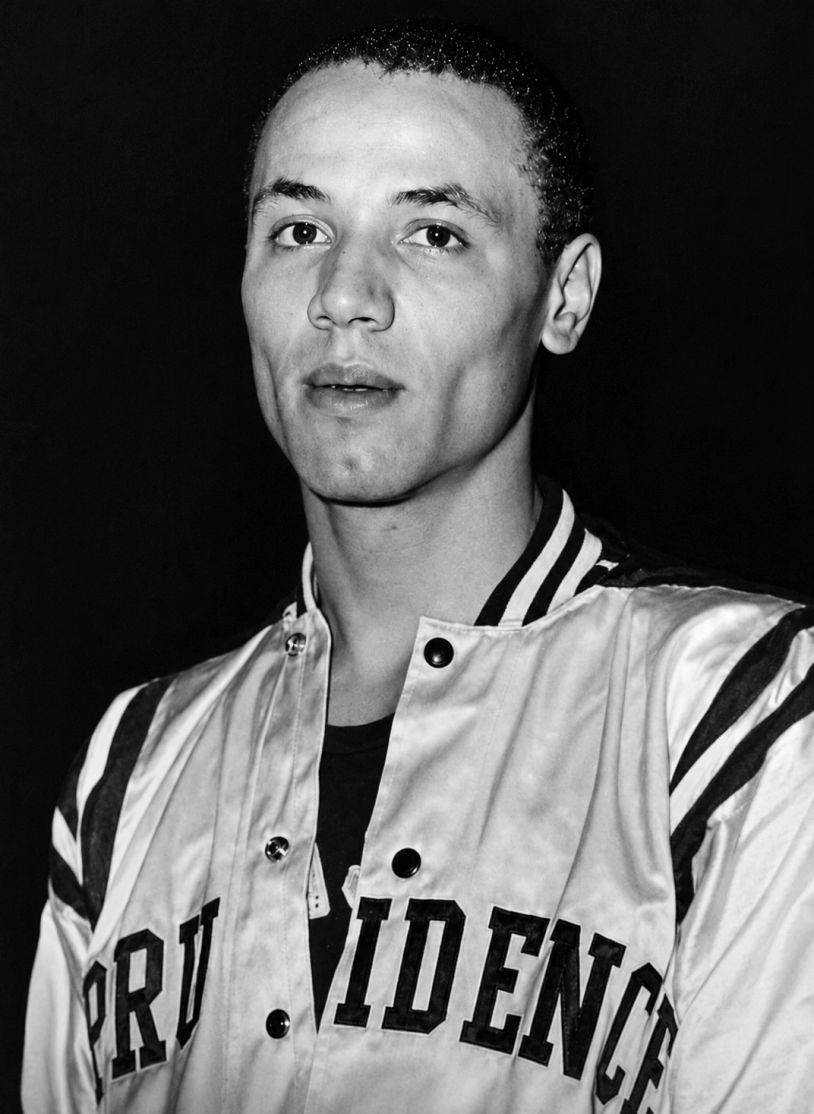
Few figures in basketball history have left a legacy as enduring and influential as Lenny Wilkens. As a player, coach, and ambassador for the game, Wilkens built a career defined by excellence, leadership, and an unwavering commitment to team success.
A standout at Providence College, Wilkens emerged as one of the finest players in school history. He earned All-American honors in both 1959 and 1960 while leading the Friars to their first National Invitation Tournament appearance in 1959 and an unforgettable run to the NIT Championship Game in 1960. By the time he graduated, Wilkens had scored 1,193 career points, ranking as the second-leading scorer in Providence history. His impact on the program remains so significant that the university retired his iconic No. 14 jersey in 1996.
Wilkens' success at the collegiate level launched an extraordinary professional career. Selected by the St. Louis Hawks in the 1960 NBA Draft, he quickly established himself as one of the league's premier guards. Combining exceptional court vision, scoring ability, and leadership, Wilkens became a nine-time NBA All-Star and earned widespread respect as one of the game's most complete players.
His finest individual honor came in 1971 when he was named Most Valuable Player of the NBA All-Star Game, a fitting recognition for a player who consistently elevated the performance of those around him. Throughout his playing career, Wilkens was known not only for his talent but also for his professionalism, basketball intelligence, and ability to lead both on and off the court.
While his accomplishments as a player alone warrant Hall of Fame recognition, Wilkens' influence on basketball extended far beyond his playing days. He would go on to become one of the most respected coaches in NBA history, guiding multiple franchises and eventually becoming one of the winningest coaches the sport has ever known. His contributions to basketball helped shape generations of players and coaches while elevating the game at every level.
From his All-American days at Providence College to his legendary NBA career, Lenny Wilkens exemplified excellence, leadership, and sportsmanship. His remarkable achievements and lifelong contributions to basketball have secured his place among the greatest figures the sport has ever produced.
For his outstanding accomplishments and lasting impact on the game of basketball, Lenny Wilkens is a deserving member of the American Sports Hall of Fame Class of 2026.A BASEBALL GUY
Region: Illinois
Sport: Baseball
Few individuals have had a greater impact on baseball in Waterloo, Illinois, than Mark Vogel. For more than three decades, Vogel has dedicated his life to developing players, building championship programs, and strengthening the baseball tradition of his hometown.
A 1986 graduate of Waterloo High School, Vogel excelled as a second baseman for the Bulldogs before continuing his playing career at Kaskaskia College, where he led the team in hitting as a freshman. He later competed for University of Northern Iowa from 1988 to 1991, further refining the skills and knowledge that would define his future coaching career.
As a player, Vogel spent 16 seasons competing in the legendary Mon-Clair League, one of the premier amateur baseball leagues in the Midwest. Playing primarily for the renowned Waterloo Buds under Hall of Fame manager Vern Moehrs, Vogel compiled an impressive .317 career batting average while earning a reputation as a dependable infielder and fierce competitor.
While his playing accomplishments were significant, it was in the dugout where Vogel built his lasting legacy. Beginning with the Waterloo American Legion program in 1991, he embarked on a coaching career that would span generations. Since 1992, he has served as head baseball coach at Waterloo High School, amassing more than 535 victories while guiding the Bulldogs to numerous conference, regional, and sectional championships. Under his leadership, Waterloo advanced to the Illinois State Tournament twice, and in 2011 Vogel was recognized as Metro East High School Coach of the Year.
At the junior high level, Vogel's influence has been equally remarkable. Since taking over the Waterloo Junior High baseball program in 1991, he has recorded well over 500 victories while leading countless teams to championships and laying the foundation for future success at the high school level.
Vogel's commitment to the game extends beyond scholastic baseball. Since 2015, he has served as an assistant coach for the Waterloo Millers in the Mon-Clair League, continuing to mentor players and contribute to the area's rich baseball tradition. His contributions to amateur baseball were recognized in 2019 when he was inducted into the Mon-Clair League Baseball Hall of Fame.
With more than 1,000 combined victories as a high school and junior high coach, decades of service to Waterloo baseball, and a lasting impact on countless athletes, Mark Vogel's career exemplifies leadership, excellence, and dedication. His influence can be measured not only in wins and championships, but in the generations of players whose lives have been shaped by his passion for the game.
STAN MELTON
A HOCKEY LEGACY
Region: Missouri
Sport: Hockey
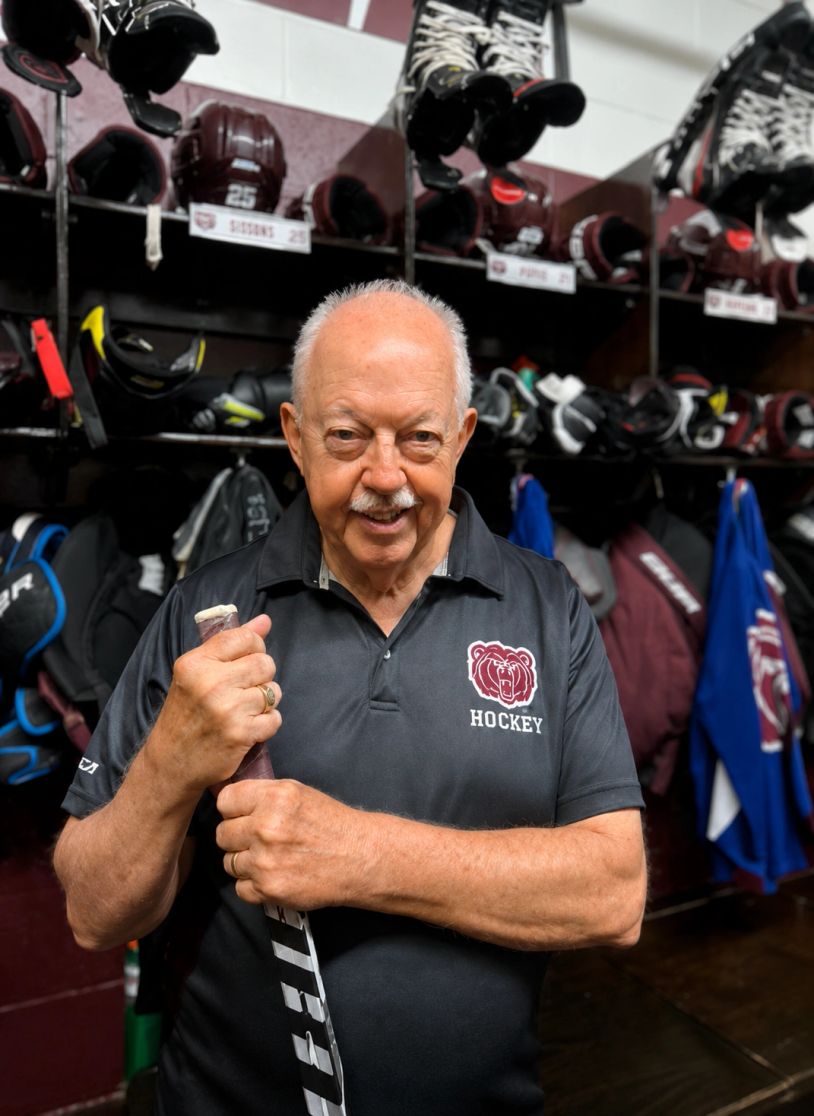
Few individuals have had a greater impact on the growth of hockey in southwest Missouri than Stan Melton. While he never starred on the ice himself, his vision, leadership, and determination helped build a hockey culture where none previously existed, creating opportunities for generations of athletes, fans, and families.
A native of Cassville, Missouri, Melton first fell in love with hockey in 1970 after attending a Kansas City Blues game. Fascinated by the speed, skill, and excitement of the sport, he became a lifelong fan and spent decades dreaming of bringing hockey to Springfield. What began as a passion eventually became a mission.
Melton played a pivotal role in the development of Jordan Valley Ice Park, helping transform the idea of a community ice facility into reality. During the planning stages in the 1990s, he led a citizen advocacy committee that worked alongside community leaders and the Springfield-Greene County Park Board to demonstrate public support for the project. When Jordan Valley Ice Park opened in 2001, it marked a turning point not only for Springfield recreation but for the future of hockey throughout the region.
Recognizing the opportunity created by the new facility, Melton helped establish the Missouri State University Hockey Club, then known as Southwest Missouri State University. Despite joking that he could barely skate, he became the program's first general manager and handled everything from fundraising and marketing to operations and team development. Working alongside early supporters Todd Laster, Andy Marquart, Benjamin Alexander, and Curt Bussen, Melton helped launch what would become one of the most successful collegiate club hockey programs in the country.
The first Ice Bears took the ice in September 2001. Over the next two decades, the program flourished. What began as a single club team grew into multiple teams competing at the highest levels of the American Collegiate Hockey Association. Attendance climbed from a few hundred spectators to crowds regularly approaching 1,000 fans per game. Booster organizations, community partnerships, and a passionate fan base emerged around the program, helping make Missouri State Hockey one of the premier club hockey operations in America.
Beyond the university, Melton's efforts helped fuel the overall growth of hockey throughout southwest Missouri. Youth participation expanded, community interest increased, and Jordan Valley Ice Park became a thriving center for recreational and competitive hockey. His vision helped create a lasting hockey ecosystem that continues to impact thousands of athletes and fans.
Away from sports, Melton enjoyed a distinguished professional career, serving 24 years as a manager for Mediacom after working as a radio news director in Springfield. A graduate of the University of Missouri with a degree in Journalism and Mass Communication, he brought organizational leadership and communication skills that proved invaluable in building hockey's foundation in the region.
In 2024, Melton was inducted into the Springfield Area Sports Hall of Fame. Two years later, he received one of the highest honors in the state when he was inducted into the Missouri Sports Hall of Fame as a member of the Class of 2026.
Stan Melton's legacy is not measured in goals scored or championships won. It is measured in the thousands of athletes who discovered the sport because of his efforts, the fans who fill the stands at Ice Bears games, and the thriving hockey community that exists today because one passionate fan believed Springfield deserved hockey.
For his vision, leadership, and transformative contributions to the growth of hockey in Missouri, Stan Melton stands as one of the most influential builders in the history of the sport.
COREY BLACKWELL
Semi-Pro Legend
Region: Illinois
Sport: Baseball
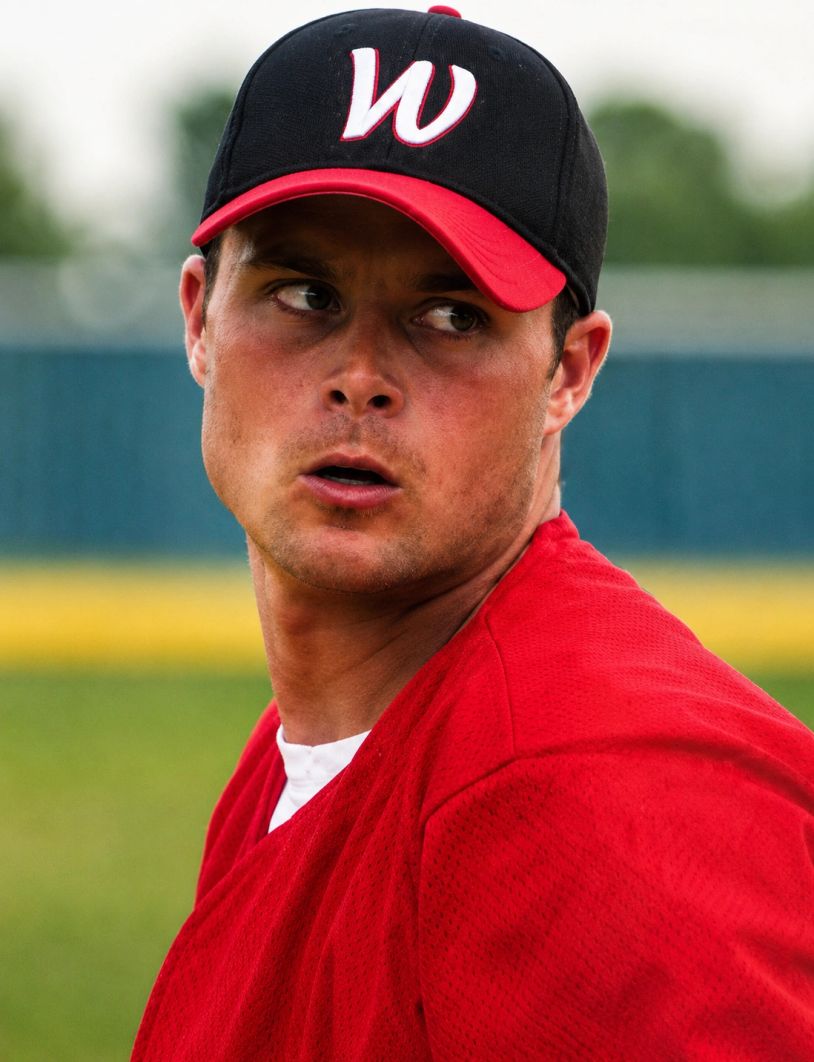
For nearly two decades, Chad Blackwell stood as the gold standard for pitching excellence in the storied Mon-Clair League. A dominant right-handed pitcher from New Athens, Illinois, Blackwell built one of the most remarkable careers in league history while helping establish the Waterloo Buds and Waterloo Millers as perennial championship contenders.
From 1996 through 2013, Blackwell compiled an extraordinary record of 147 victories against just 33 defeats, setting the Mon-Clair League's all-time record for career wins. His consistency and dominance on the mound were unmatched, as evidenced by his six ERA championships—more than any pitcher in league history. A perennial all-star throughout his career, Blackwell earned Mon-Clair League All-Star honors every season he competed, a testament to his sustained excellence and respect among players, coaches, and fans.
Blackwell's impact extended far beyond individual accolades. During his career, he helped lead his teams to seven Mon-Clair League championships, twelve Monroe Division titles, and five Valmeyer Tournament championships. His ability to perform on baseball's biggest stages made him one of the league's most feared competitors. Among his many accomplishments were three career no-hitters, showcasing the overpowering arsenal and pinpoint command that defined his career.
His individual honors were equally impressive. In 2000, Blackwell was named Most Valuable Player of the Waterloo Buds, and in 2005 he earned MVP honors at the prestigious Valmeyer Tournament. Whether pitching in regular-season contests, championship games, or tournament play, Blackwell consistently delivered when his team needed him most.
Before becoming a Mon-Clair League legend, Blackwell excelled at every level of baseball. He starred at Belleville Area College, where he posted a remarkable 20-3 record from 1996 to 1997 and earned team MVP honors in 1997. His success led him to the University of Arkansas at Little Rock in 1998 before continuing his collegiate career at Southern Illinois University Edwardsville in 1999.
Blackwell's talents also extended into professional baseball. From 1996 to 1998, he pitched for the semi-professional Sauget Wizards, earning team MVP honors in 1998. His performance attracted professional attention, and in 1999 he signed with the River City Rascals of the Frontier League, playing under former Major League star Jack Clark.
Following his playing career, Blackwell remained committed to the game that shaped his life. For the past several years, he has devoted his time to coaching youth baseball teams within the Mon-Clair League, helping develop the next generation of players while passing along the values of teamwork, discipline, and sportsmanship. His dedication to the league and its mission reflects the same passion and commitment that made him one of its greatest competitors.
CLIFF HAGAN
Kentucky Legend and NBA Champion
Region: Illinois, United States
Sport: Basketball
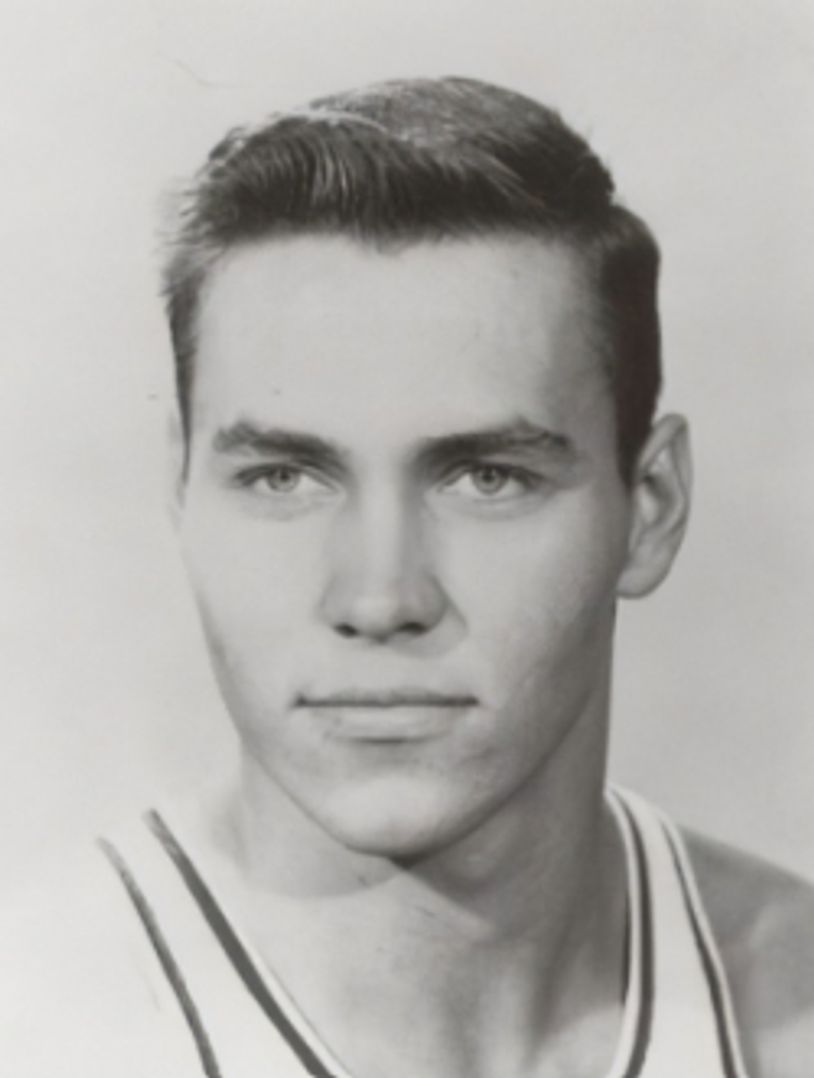
Few players have enjoyed a basketball career as accomplished and influential as Cliff Hagan. A champion at every level of the game, Hagan combined skill, toughness, and leadership to become one of the defining stars of his era. From his collegiate dominance under one of basketball's greatest coaches to his championship success in professional basketball, Hagan's legacy remains firmly etched in the history of the sport.
Born in Owensboro, Kentucky, Hagan emerged as one of the premier players of the 1950s while playing for legendary coach Adolph Rupp at the University of Kentucky. Known for his quickness, strength, and one of the most effective hook shots in basketball, Hagan helped establish Kentucky as a national powerhouse. During his collegiate career, the Wildcats compiled an extraordinary 86-5 record, including a perfect 25-0 season in 1954. His versatility and scoring ability made him one of the most feared offensive players in college basketball and one of the cornerstones of Kentucky's golden era.
Hagan carried that success into the professional ranks, where he would enjoy a remarkable 13-season career. After entering the NBA, he became one of the stars of the St. Louis Hawks, spending ten seasons with the organization and helping transform the franchise into a perennial championship contender. Hagan's scoring touch, clutch play, and leadership helped guide the Hawks to five Western Division championships and their crowning achievement—the 1958 NBA Championship, one of the most memorable titles in league history.
Throughout his NBA career, Hagan established himself as one of the league's premier forwards and a consistent All-Star performer. His ability to score both inside and outside, combined with his relentless competitiveness, made him one of the most complete players of his generation. He was a key figure in the fierce battles between the Hawks and the dominant Boston Celtics, helping elevate professional basketball during one of its most important growth periods.
Late in his career, Hagan continued his professional journey in the American Basketball Association, spending three seasons with the Dallas Chaparrals. His presence helped lend credibility and experience to the young league while further extending an already distinguished basketball career.
What set Cliff Hagan apart was not simply his impressive statistics or championships, but his consistency and winning pedigree. He succeeded at every level of the game—from high school to college, from the NBA to the ABA—earning a reputation as one of basketball's most dependable and accomplished competitors.
A champion, All-Star, and pioneer of professional basketball's early years, Cliff Hagan helped shape the foundation upon which future generations would build. His contributions to the sport, his remarkable success, and his enduring impact make him a fitting member of the American Sports Hall of Fame.
Cliff Hagan was not merely a great player of his era—he was one of the architects of basketball's rise into the American sporting landscape.
JANET EVANS
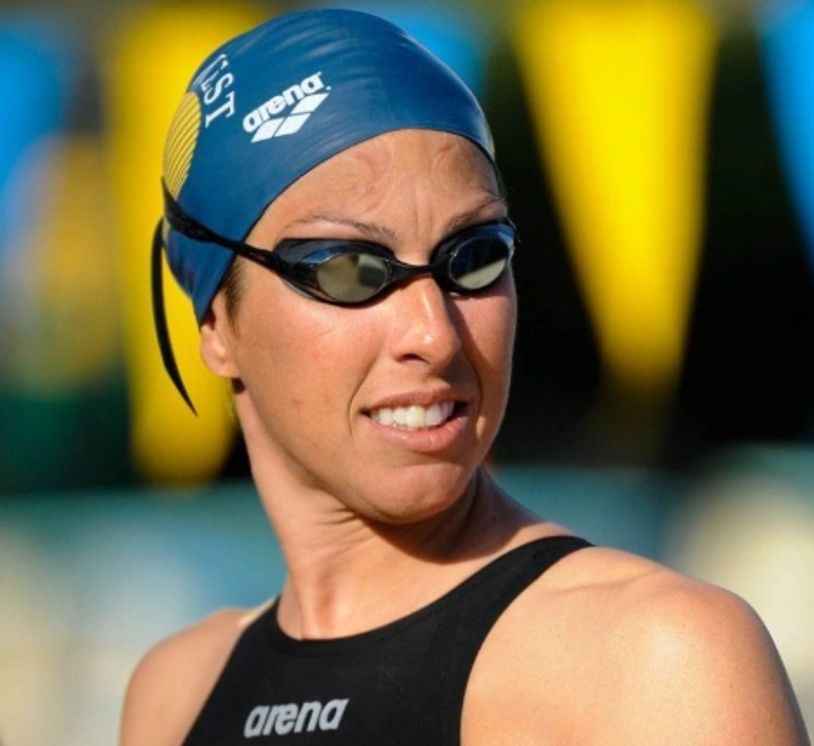
Swimming Icon
Region: California, United States
Sport: Swimming
Janet Evans is one of the most accomplished distance swimmers in Olympic history. A four-time Olympic gold medalist and former world record holder, Evans revolutionized women’s distance swimming through her remarkable endurance, relentless determination, and distinctive swimming style. Born on August 28, 1971, she emerged as a swimming prodigy at a young age, setting world records in the 400-, 800-, and 1,500-meter freestyle events as a teenager and becoming the first woman to hold all three records simultaneously.
At the 1988 Olympic Games in Seoul, Evans delivered one of the most dominant performances in swimming history, capturing gold medals in the 400-meter freestyle, 800-meter freestyle, and 400-meter individual medley while setting a world record in the 400 freestyle. She added a fourth Olympic gold medal at the 1992 Barcelona Games by successfully defending her title in the 800-meter freestyle, cementing her status as one of the greatest female swimmers of her generation.
Competing for Stanford University from 1989 to 1992, Evans became known for overcoming conventional expectations. Despite her slight build and unconventional windmill-like stroke, she consistently outperformed larger competitors through extraordinary stamina and mental toughness. Between 1986 and 1995, she won an astounding 47 of 50 major international races in her signature distance events. Her 800-meter freestyle world record stood for nearly two decades and survived four Olympic Games before finally being surpassed in 2008.
Following her competitive career, Evans remained deeply involved in the Olympic movement and athlete advocacy. She returned to the pool as a United States Masters swimmer in 2010 and later served in key leadership roles supporting the Olympic Games. As Vice Chair and Athletes Director for Los Angeles’ successful bid for the 2028 Summer Olympics, she helped bring the Games back to her hometown. She currently serves as Chief Athlete Officer for the Los Angeles 2028 Organizing Committee, where she continues to champion the needs and experiences of athletes on the world stage.
A member of numerous halls of fame and widely regarded as one of the greatest distance swimmers of all time, Janet Evans’ legacy extends far beyond the pool. Her pioneering achievements, competitive excellence, and lifelong commitment to the Olympic movement have made her an enduring ambassador for sport and inspiration for generations of athletes.
DICK GRIFFITH
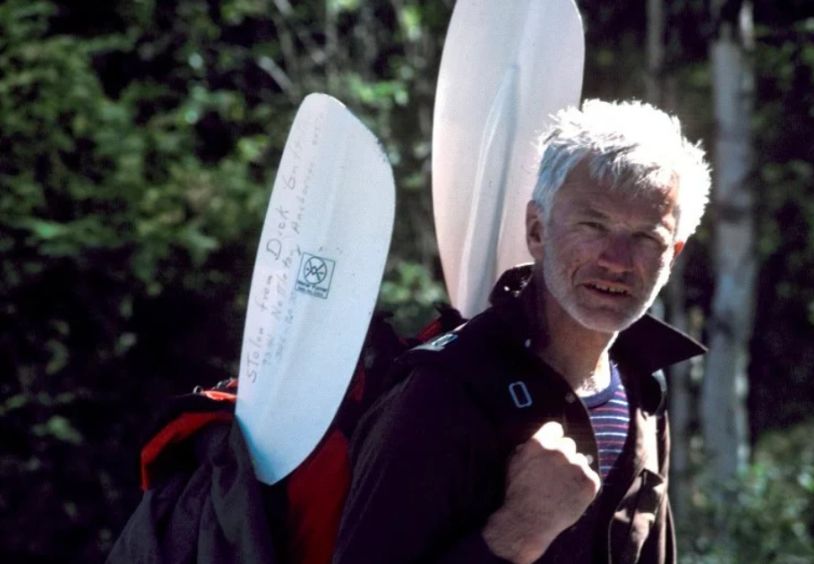
Trailblazing Adventurer
Region: Alaska, United States
Sport: Adventure
Few individuals embodied the spirit of adventure, endurance, and exploration more completely than Dick Griffith. A pioneering figure in wilderness racing and backcountry travel, Griffith spent decades pushing the limits of human-powered exploration across some of the most remote and demanding landscapes in North America.
Based in Anchorage, Alaska, Griffith became legendary for his exploits on foot and by raft, covering an estimated 10,000 miles through Alaska, Canada, and beyond. His accomplishments helped define the emerging sport of adventure racing and inspired generations of outdoor athletes who followed in his footsteps.
Griffith was a remarkable 17-time finisher of the grueling Alaska Wilderness Classic, one of the world's most demanding self-supported endurance events. In 1982, he forever changed the nature of the race when he introduced packrafting to the competition, a groundbreaking innovation that has since become a cornerstone of modern wilderness racing and backcountry travel worldwide.
His passion for exploration never faded with age. Throughout his 50s, 60s, and 70s, Griffith continued to compete in Wilderness Classic events throughout Alaska while also leading rafting expeditions through the Grand Canyon. He completed his final Wilderness Classic at age 81 and rowed his last Grand Canyon expedition at age 89, demonstrating a lifelong commitment to adventure, fitness, and personal challenge.
Beyond Alaska, Griffith achieved numerous notable first descents and pioneering rafting journeys through some of North America's most spectacular canyons. His combination of toughness, humility, and relentless curiosity earned him admiration throughout the outdoor community. Fellow adventurer Roman Dial famously described him as "Clint Eastwood in tennis shoes and a backpack," a fitting tribute to a man whose rugged determination became the stuff of legend.
Dick Griffith passed away at the age of 98, leaving behind a legacy that transcends competition results and mileage totals. He helped shape the modern adventure racing movement, expanded the possibilities of wilderness travel, and proved that the pursuit of exploration need not diminish with age. His life stands as a testament to courage, innovation, endurance, and the enduring human desire to venture beyond the horizon.
For his pioneering contributions to adventure sports and a lifetime devoted to exploration, Dick Griffith is honored as a member of the American Sports Hall of Fame Class of 2026.
EGAN INOUE
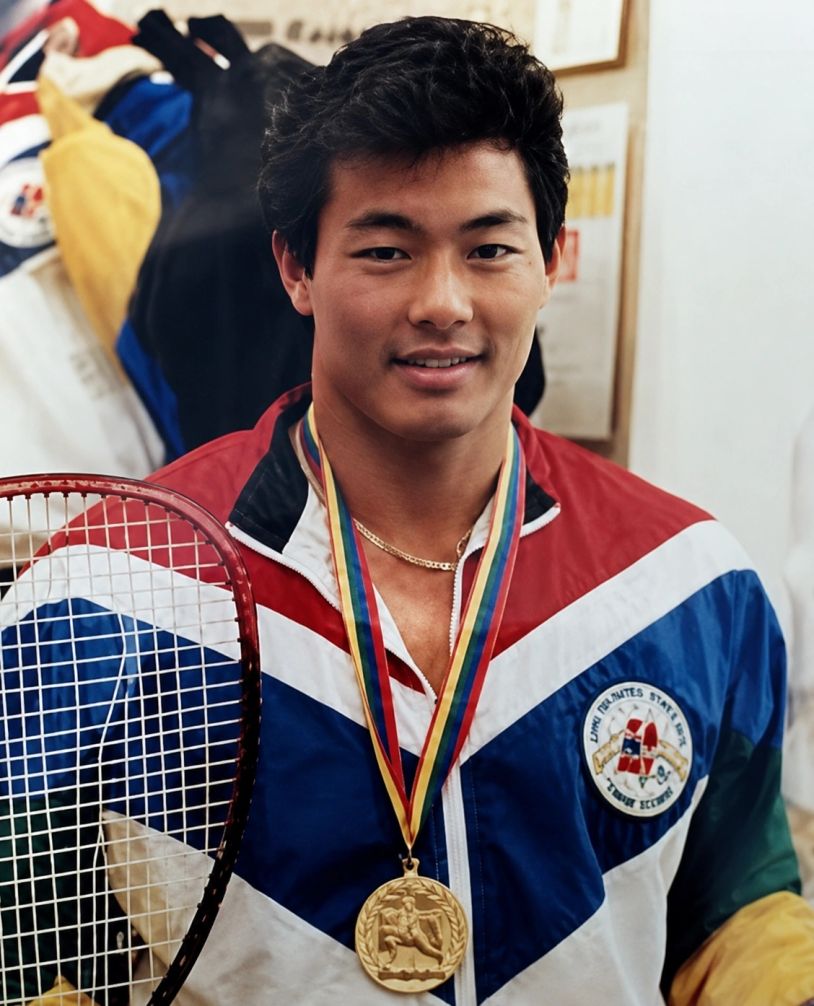
Determined, Innovative. Pioneering.
Region: Hawaii, United States
Sport: Martial Arts/Racquetball
Egan Inoue is a rare athletic pioneer whose achievements span multiple sports, industries, and decades. A two-time racquetball world champion, Brazilian Jiu-Jitsu world champion, mixed martial arts competitor, entrepreneur, author, and motivational speaker, Inoue has consistently demonstrated an extraordinary ability to reinvent himself while remaining committed to excellence. His career stands as a testament to perseverance, innovation, and the relentless pursuit of personal growth.
Born and raised in Hawaii, Inoue discovered racquetball at the age of sixteen. What began as a curiosity quickly developed into a passion, and within a few short years he had established himself as one of the most promising young players in the sport. By the time he graduated from high school in 1983, he had already captured the Hawaii state championship and was setting his sights on the international stage.
His rise was meteoric. In 1986, at just 21 years old, Inoue captured the men’s singles title at the International Racquetball Federation World Championships in Orlando, Florida, becoming one of the premier players in the world. He followed that accomplishment with another major international victory at the 1987 Pan American Championships, further cementing his reputation as an elite competitor. In 1990, he earned his second International Racquetball Federation World Championship in Caracas, Venezuela, establishing himself among the greatest racquetball players of his era.
That same year, Inoue founded E-Force Racquetball, a company dedicated to advancing racquet technology and performance. Under his leadership, E-Force quickly became one of the most recognized and respected racquetball equipment manufacturers in the world, helping shape the sport both on and off the court.
In 1993, a devastating knee injury brought his professional racquetball career to an unexpected end. For many athletes, such a setback would have marked the conclusion of a sporting legacy. For Inoue, it became the beginning of a remarkable second act.
Determined to continue competing, he immersed himself in Brazilian Jiu-Jitsu and quickly rose through the ranks. In 1995, he made history by becoming the first non-Brazilian to win a Brazilian Jiu-Jitsu World Championship, breaking barriers in a sport long dominated by Brazilian competitors. His success in grappling naturally led to mixed martial arts, where he became one of Hawaii’s pioneering MMA figures and competed professionally during the formative years of the sport.
Beyond competition, Inoue built a successful career as a businessman and mentor. He founded and operates multiple fitness facilities on Oʻahu and expanded into wellness and recovery services through his cryotherapy ventures. As an author and motivational speaker, he has shared lessons learned from sport, business, and personal adversity, inspiring audiences to embrace challenges and pursue continuous self-improvement.
Throughout his life, Egan Inoue has repeatedly demonstrated that greatness is not defined by a single accomplishment but by the willingness to evolve, adapt, and excel in new arenas. From world champion racquetball player to martial arts trailblazer and respected entrepreneur, his influence extends far beyond any one sport.
For his extraordinary athletic achievements, pioneering spirit, and lasting impact on multiple disciplines, Egan Inoue is honored as a member of the American Sports Hall of Fame Class of 2026.
FORREST GREGG
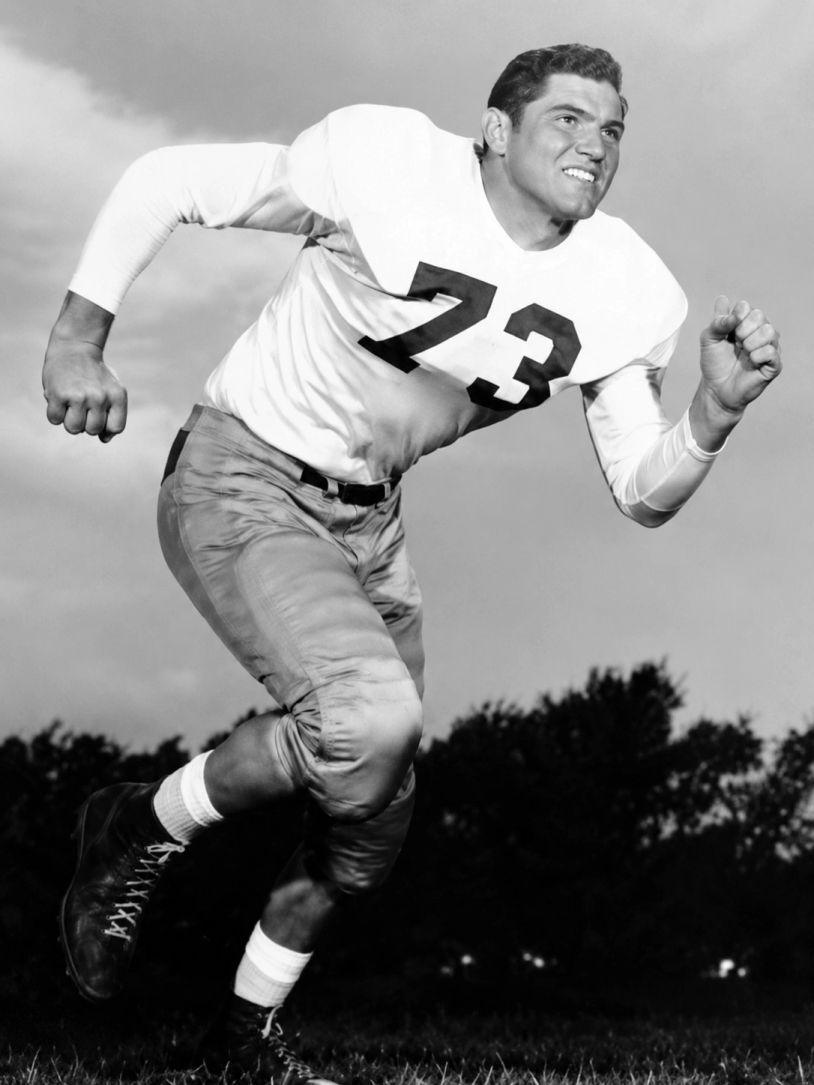
Tough. Dependable. Legendary.
Region: Texas, United States
Sport: Football
Forrest Gregg was one of football's most respected figures, achieving excellence both on the field and on the sidelines during a career that spanned more than four decades. Renowned for his toughness, leadership, and unwavering commitment to the game, Gregg earned distinction as a Hall of Fame player and a championship-winning coach, leaving an indelible mark on professional football history.
Born in Sulphur Springs, Texas, Gregg first gained national recognition as a standout offensive tackle at Southern Methodist University, where he earned All-Southwest Conference honors in 1954 and 1955. His success at SMU paved the way for a remarkable professional career with the Green Bay Packers, where he became a cornerstone of one of the greatest dynasties in NFL history.
From 1960 through 1967, Gregg was selected as an All-Pro for eight consecutive seasons, establishing himself as one of the finest offensive linemen of his generation. Under legendary coach Vince Lombardi, the Packers captured five NFL championships and won the first two Super Bowls, with Gregg playing a vital role in the team's dominance. His durability was equally legendary. During his 14 seasons with Green Bay, he appeared in 187 consecutive games, a franchise record at the time and a testament to his extraordinary toughness and reliability. He concluded his playing career with the Dallas Cowboys, adding to an already remarkable football résumé.
Gregg's impact on the sport did not end when his playing days were over. Transitioning seamlessly into coaching, he became head coach of the Cleveland Browns in 1975 and was named NFL Coach of the Year in 1976 after engineering one of the league's most impressive turnarounds. He later found success in the Canadian Football League before taking over the Cincinnati Bengals. In 1981, Gregg guided the Bengals to a franchise-best 14-2 regular season record and an appearance in Super Bowl XVI, becoming the first person in football history to participate in a Super Bowl both as a player and as a head coach.
Throughout every stage of his career, Forrest Gregg exemplified the values of discipline, perseverance, and leadership. Whether protecting quarterbacks, winning championships, or leading teams from the sideline, he consistently set the standard for excellence.
A member of both the Pro Football Hall of Fame and the Texas Sports Hall of Fame, Gregg's legacy endures as one of the most accomplished and respected figures the game has ever known. For his extraordinary contributions to football as both a player and coach, Forrest Gregg is honored as a member of the American Sports Hall of Fame Class of 2026.
JIMMY CONNORS
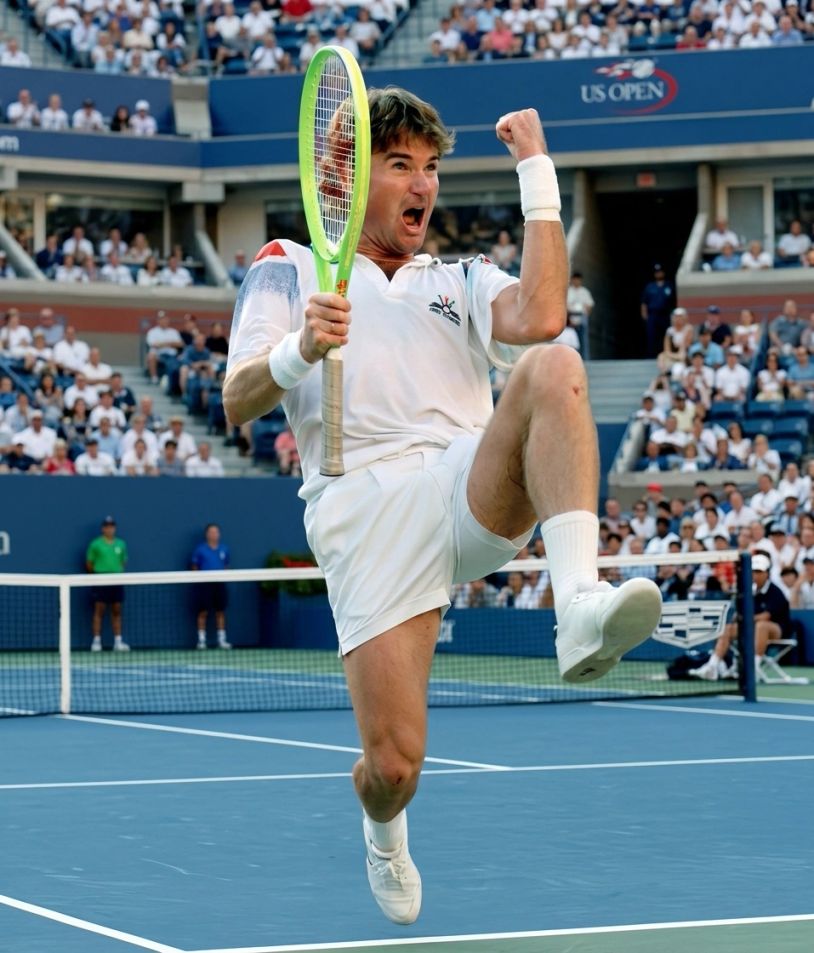
Athlete • Champion • Immortal
Region: Illinois, United States
Sport: Tennis
Few athletes have embodied competitive fire and sustained excellence like Jimmy Connors. A relentless champion whose intensity transformed professional tennis, Connors dominated multiple eras and built one of the most remarkable careers in sports history.
Born with a fierce love for the game, Connors emerged as one of America’s greatest young talents, capturing numerous U.S. junior championships before starring at UCLA, where he won the 1972 NCAA Singles Championship. Turning professional that same year, he immediately began a career that would redefine greatness.
His breakthrough came in 1974, one of the most dominant seasons ever recorded. Connors captured three Grand Slam titles—the Australian Open, Wimbledon, and U.S. Open—while compiling an astonishing 93–4 record and ascending to the world No. 1 ranking. From 1974 through 1978, he finished as the ATP year-end No. 1 five consecutive times and established himself as the defining player of the decade.
Armed with an aggressive baseline style, unmatched intensity, and extraordinary mental toughness, Connors became one of tennis’s most captivating competitors. His legendary rivalries with Björn Borg and John McEnroe helped usher in one of the sport’s golden eras and elevated tennis to unprecedented popularity.
Throughout the late 1970s and early 1980s, Connors remained among the game’s elite, winning additional major championships and maintaining a place among the world’s top players for more than a decade. His longevity was unprecedented, highlighted by a record 789 consecutive weeks in the ATP Top 10, a testament to his consistency and determination.
Even as younger generations emerged, Connors refused to fade. Defying expectations, he enjoyed a remarkable late-career renaissance, highlighted by his unforgettable run to the 1991 U.S. Open semifinals at age 39, one of the most inspirational performances in tennis history. He captured his final ATP title in 1989 before retiring in 1996 after a quarter-century of excellence.
Career Highlights
- 8 Grand Slam Singles Championships
- Australian Open Champion (1974)
- Wimbledon Champion (1974, 1982)
- U.S. Open Champion (1974, 1976, 1978, 1982, 1983)
- 15 Grand Slam Finals Appearances
- 109 ATP Singles Titles
- Most in professional tennis history
- Career Match Record: 1,274–283
- 268 Weeks Ranked World No. 1
- Five Consecutive Year-End No. 1 Rankings
- 1974–1978
- 789 Consecutive Weeks in the Top 10
- All-time record
- 21 Consecutive U.S. Open Appearances
- International Tennis Hall of Fame Inductee (1998)
- Universally recognized among the greatest players in tennis history
For more than two decades, Jimmy Connors represented the very essence of championship tennis—unyielding, fearless, and fiercely competitive. His extraordinary accomplishments, unmatched longevity, and enduring influence on the sport have secured his place among the legends.
